

Protect Your Furnishings: How Residential Window Tinting Prevents UV Damage Indoors
Your home is one of your most valuable investments, and so is everything inside it. Yet every day, the sun quietly works against you, fading your hardwood floors, bleaching your upholstery, and aging your artwork faster than you might expect. The good news? Residential window tinting in Kirkland, WA, is one of the most effective solutions available to stop UV damage before it starts. In this guide, we'll break down exactly how solar UV radiation harms your interior furnishings, what window film technology can do to block it, and why homeowners across the Kirkland area are turning to local providers like ProTection Seattle to shield their homes, all while keeping rooms bright, comfortable, and beautiful.
What Are UV Rays and Why Should Indoor Homeowners Care?
Ultraviolet (UV) radiation is part of the sun's energy spectrum, invisible to the naked eye but remarkably powerful. It's the same force responsible for sunburns outdoors, and indoors, it works just as relentlessly through your windows, breaking down the chemical bonds in dyes, pigments, and organic materials over time.
Experts categorize solar UV into UVA and UVB rays. Both types penetrate standard glass with ease. UVA rays, in particular, have longer wavelengths that pass directly through most untreated residential windows and account for a large share of indoor fading damage. Even on overcast days, a significant portion of UV radiation still enters your home.
Beyond UV, visible light and solar heat also contribute to interior degradation, a combination sometimes called the "fading spectrum." This means your sun-exposed rooms are experiencing cumulative damage year-round, not just during peak summer months, which is exactly why residential window tinting is a smart, year-round investment for any homeowner.
How UV Damage Harms Your Furniture, Flooring, and Artwork
The effects of prolonged UV exposure on interior furnishings are both gradual and permanent. Here's what homeowners commonly see over time:
- Furniture and Upholstery: Fabric sofas, cushions, and chairs are especially vulnerable. UV radiation breaks down the fibers and dyes in textile materials, causing colors to fade, textures to weaken, and materials to become brittle. Leather furniture can crack and discolor. Even wood furniture finishes oxidize and lose their luster when exposed to ongoing sunlight.
- Flooring: Hardwood floors are among the most common casualties of UV damage in the home. Sun exposure causes oxidation and bleaching, leading to uneven, patchy discoloration in sun-facing areas. Vinyl plank, laminate, and area rugs can experience similar fading and surface degradation. Replacing or refinishing flooring is costly, prevention is far more economical.
- Artwork and Collectibles: Fine art, framed photographs, tapestries, and collectibles are extremely UV-sensitive. Even pieces behind standard glass frames receive little protection from ambient UV light in the room. Pigments fade, paper yellows, and irreplaceable works lose both aesthetic and monetary value.
- Window Treatments and Decorative Elements: Curtains, blinds, wallpaper, and painted surfaces also suffer. UV rays degrade wall paint, causing chalking and color shift. Decorative items near windows often show visible wear well ahead of those in shaded areas of the home.
How Residential Window Tinting Blocks UV Rays and Protects Your Interior
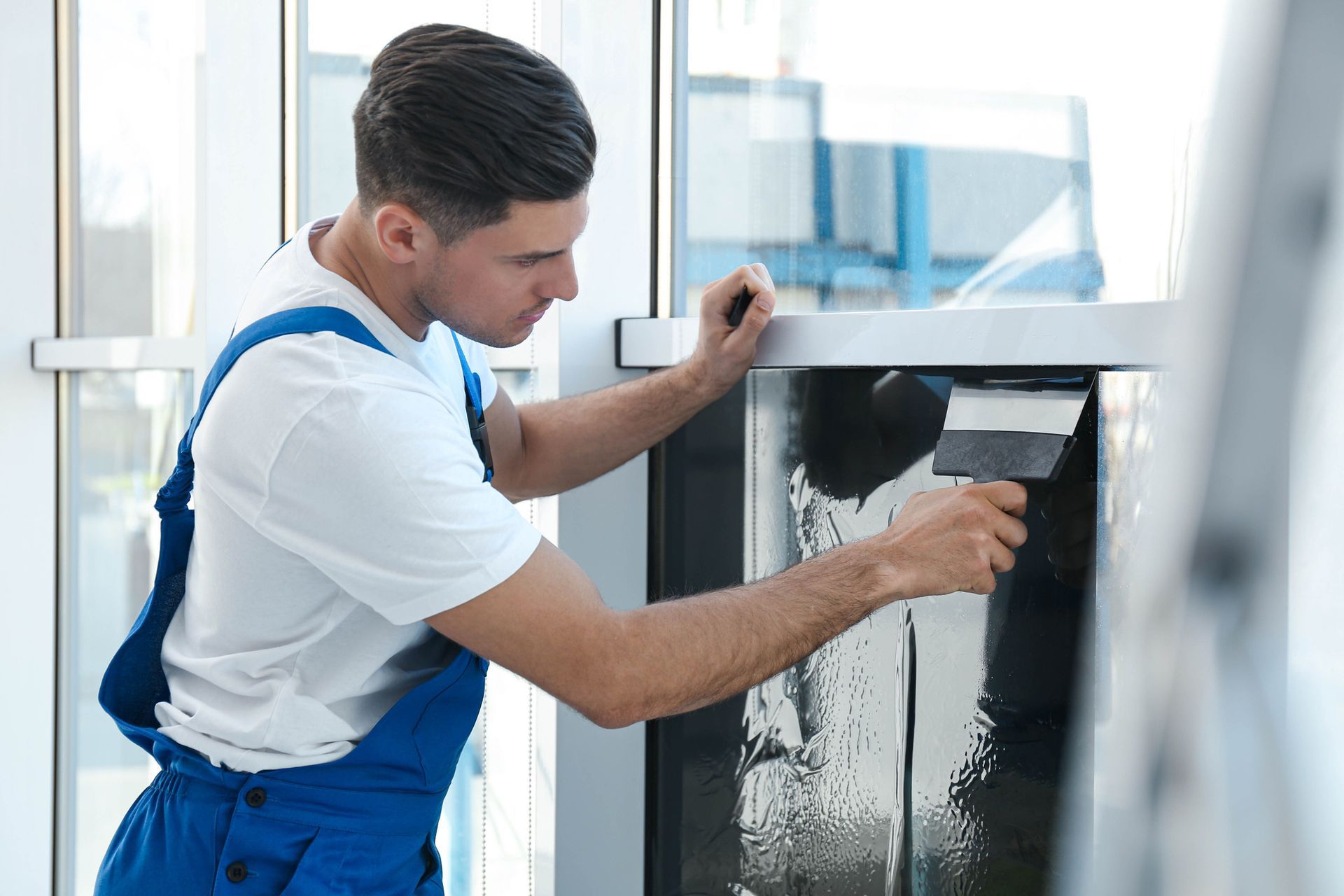
Modern residential window film is engineered specifically to intercept solar radiation before it reaches your interior. Residential window tinting gives homeowners a powerful line of defense. High-quality films can block up to 99% of harmful UV rays, dramatically slowing the fading process for everything inside your home.
Window tint films work through a combination of technologies depending on the product: dyed layers absorb solar energy, metallic or ceramic layers reflect it, and nano-ceramic options use advanced particle-based filtration to reject UV and infrared heat without visible reflectivity. The result is a window that still allows natural light to flow in while acting as a solar filter.
Critically, quality window films are designed to reduce UV without significantly darkening your rooms. Many modern options are virtually clear in appearance yet offer full-spectrum UV protection, meaning you preserve the view, the natural ambiance, and the light quality you love while keeping the damaging rays out.
In addition to UV blocking, window films offer secondary interior benefits: solar heat reduction that lowers interior temperatures and reduces hot spots near windows, glare reduction that improves visual comfort for screens and everyday living, and improved energy efficiency that can contribute to lower HVAC costs in climate-variable regions like the Pacific Northwest.
Aesthetic Appeal and Practical Protection: You Don't Have to Choose
One of the most common concerns homeowners express when considering window film is whether it will change the look of their home, inside or out. The answer is that modern window tinting technology has evolved well beyond the dark, reflective films of the past. Today, home window tinting offers solutions that are as visually appealing as they are protective.
Today's residential window films come in a wide range of shades and finishes, from nearly invisible neutral tones to lightly tinted options that reduce glare while adding a sleek, contemporary look to the exterior of the home. Many homeowners are surprised to find that the right film actually enhances the appearance of their windows while delivering full UV and solar protection.
Take Action Before the Sun Does More Damage
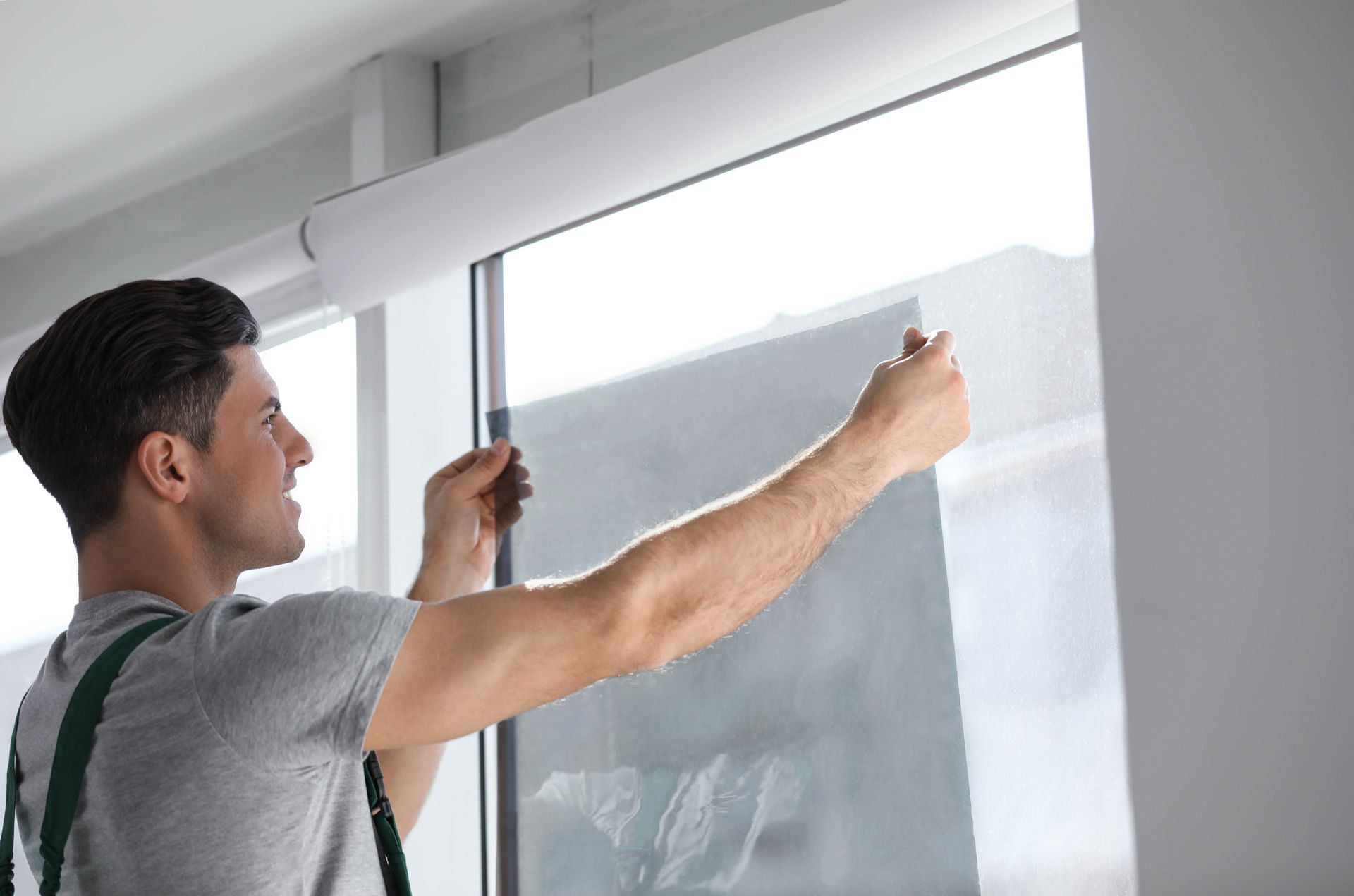
If you're a homeowner in the Kirkland area looking to preserve your furnishings, protect your artwork, and maintain the beauty of your interior spaces, now is the time to explore your options. Residential window tinting is a proven, cost-effective investment that pays dividends every single day, quietly blocking UV rays so your home stays looking its best for years to come. If you’re ready to protect what matters most inside your home,
contact ProTection Seattle today to schedule a consultation and discover which window film solution is right for your Kirkland home.